 Mini-Module
Summary
The Threat Hunting Tools module is designed for
- Cybersecurity professionals aiming to deepen their threat hunting skills and
- IT security staff responsible for safeguarding organizational assets. Throughout this module, students will develop
- Mastery of key threat hunting tools and methodologies, - Improved ability to detect and respond to cybersecurity threats, - Enhanced skills in analyzing suspicious activities and patterns, and
- Confidence in applying threat hunting strategies in real-world scenarios.
Recommended prior knowledge:
-
Basic understanding of cybersecurity principles
-
Familiarity with network protocols and systems
Categories of Threat Hunting Tools
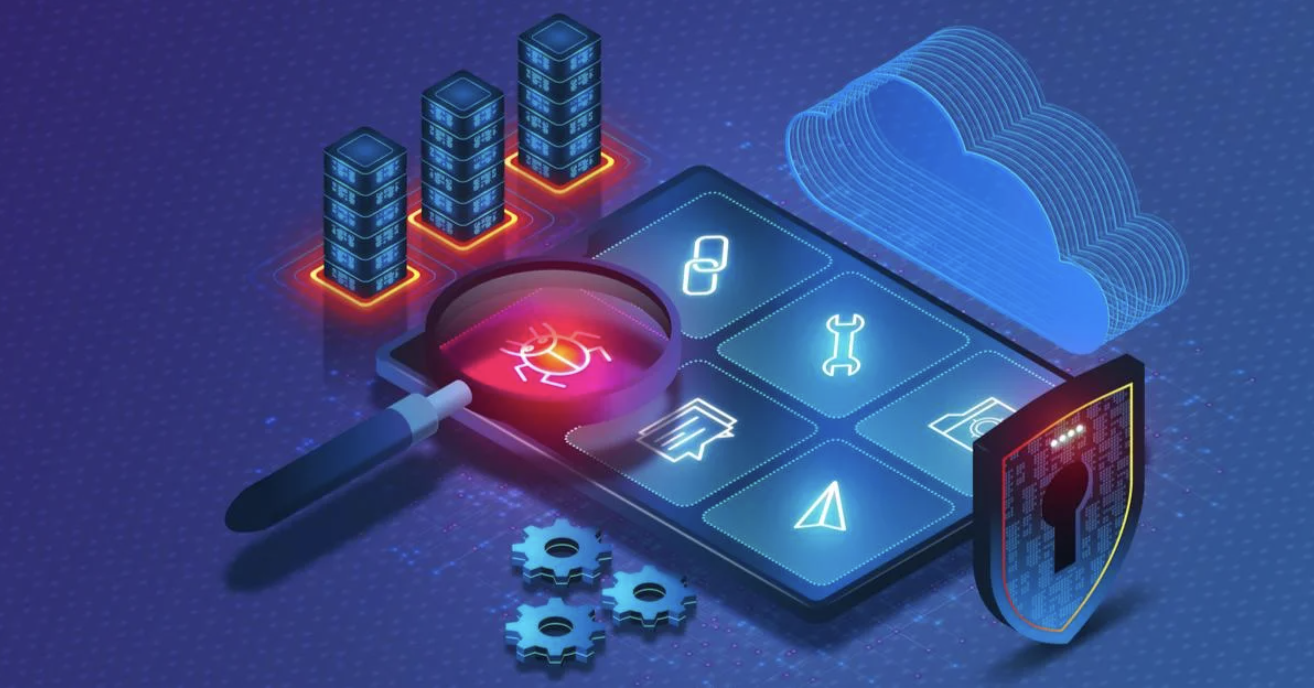
Threat hunting tools are various software and hardware components that help cybersecurity teams detect hidden threats on systems and networks. These tools support various stages of the threat hunting process, enabling security teams to work more effectively and efficiently. The main categories are:
-
Data Collection Tools
-
Data Analysis Tools
-
Network Monitoring Tools
-
Endpoint Detection and Response (EDR) Tools
-
Cyber Threat Intelligence(CTI) Tools
( Image Source : https://www.sangfor.com/blog/cybersecurity/best-open-source-threat-hunting-tools )
Data collection tools provide security analysts with critical data by tracking events that occur on systems and networks. For example, tools such as Sysmon and Winlogbeat record event logs and system activity in detail.
Data analysis tools process and analyze the collected data and turn it into meaningful results. Tools such as Splunk" and ELK Stack" help analyze large data sets and identify anomalies and potential threats.
Network monitoring tools monitor and analyze network traffic to identify anomalous activity. Tools such as “Wireshark" and “Snort" are used to quickly detect and prevent network threats.
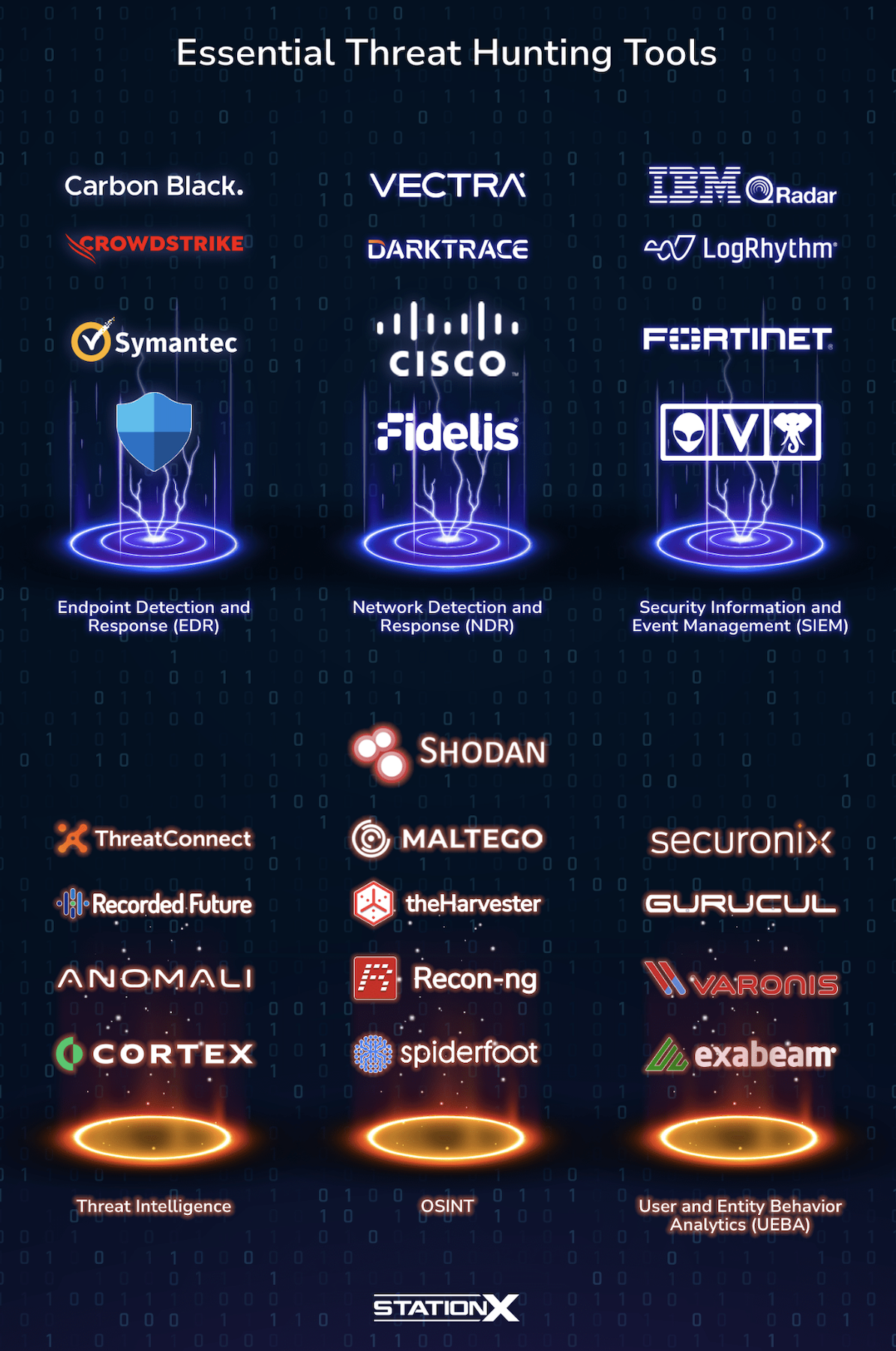
Endpoint Detection and Response (EDR) tools monitor, analyze, and respond to security incidents that occur on endpoint devices. Tools such as “SentinelOne" and “CrowdStrike Falcon" detect suspicious activity on endpoints and enable immediate intervention.
Cyber Threat Intelligence (CTI) tools collect and analyze threat data from multiple sources and present it to security teams. Tools such as “ThreatConnect" and “Recorded Future" offer significant advantages in the early detection of threats and the development of proactive defense strategies.
The effective use of all of these tools helps build a stronger defense against cyber attacks.
( Image Source : https://www.stationx.net/threat-hunting-tools/ )
This is an introduction to the topic. The next section will cover Data Collection Tools.