 Mini-Module
Summary
The AWS Forensics module is designed for
- Digital Forensics Analysts: Professionals who focus on cyber incident investigations and want to enhance their skills in cloud environments, - Cloud Architects: Those responsible for designing and managing secure cloud infrastructures striving to integrate forensics capabilities, - System Administrators: IT personnel who manage AWS environments and wish to understand potential security threats and responses, and
- Security Incident Responders: Experts looking to improve their responses to cloud-based security incidents and breaches. Throughout this module, students will develop
- Proficient Forensics Skills: Develop the ability to conduct thorough digital investigations in AWS environments, - Threat Analysis Expertise: Gain insights into identifying and mitigating potential threats in cloud infrastructures, - Hands-On Experience: Apply practical knowledge and techniques to real-world forensics scenarios, - Enhanced Security Frameworks: Strengthen your organization's cybersecurity posture by integrating advanced forensics methods, - Resilient Incident Response: Improve your skills in managing and responding to cloud security incidents effectively, and
- Up-to-Date Knowledge: Stay informed about the latest trends and tools in AWS forensics and cybersecurity.
Recommended prior knowledge:
- Introductory Cybersecurity Awareness: Understanding basic cybersecurity principles and practices
- Digital Forensics Basics: Some exposure to digital forensics concepts and tools is helpful but not mandatory
Introduction
Cloud computing refers to the storage and processing of data and applications on servers located on the Internet, rather than on local computers or company servers. Hosting and managing all of a company's data and applications on its own servers requires a significant investment.
Cloud computing offers a more cost-effective solution. By using a system based on servers accessible over the Internet, a company does not need to manage or maintain its own computing infrastructure. Instead, a cloud service provider (CSP) (such as AWS, Google Cloud, or Microsoft Azure) handles all of these details.
Cloud computing offers several different service models. These are typically categorized as "Infrastructure as a Service" (IaaS), "Platform as a Service" (PaaS), and "Software as a Service" (SaaS). IaaS provides the basic computing infrastructure (servers, storage, networking). PaaS provides developers with software development and deployment tools. SaaS provides applications that are accessible to users over the Internet.
Cloud computing also includes different deployment models: public cloud, private cloud, and hybrid cloud. The public cloud provides services to a broad user base over the Internet. A private cloud provides services tailored to the specific needs of an organization and is typically controlled by that organization. A hybrid cloud combines both public and private clouds and is often used to place workloads in the most optimal location.
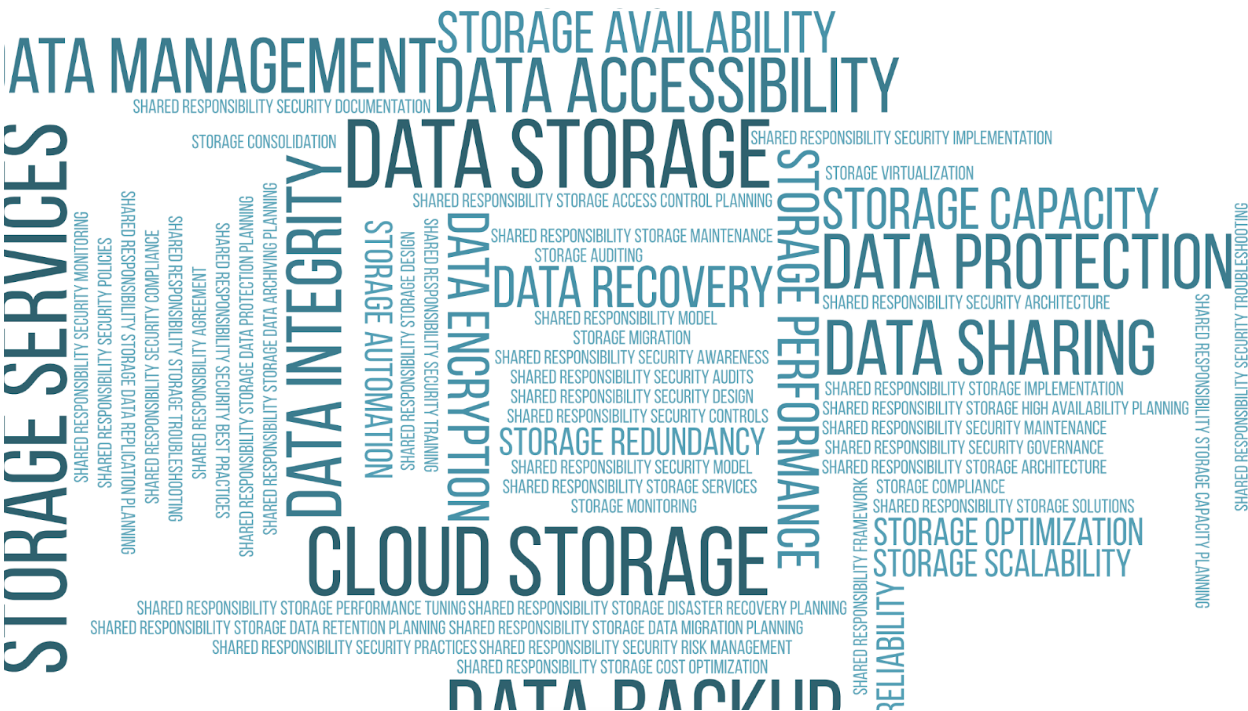
Cloud computing provides many benefits, including scalability, flexibility, cost efficiency, and improved business continuity. However, it also presents security and compliance challenges, so cloud strategies must be carefully planned to meet an organization's specific needs and goals.
Using cloud computing typically involves working with a company that sells cloud services. However, in some cases, organizations may prefer to deploy cloud technologies within their own environment. This approach is called on-premises cloud computing.
On-premises cloud computing refers to a situation where an organization hosts its own cloud computing infrastructure within its own facilities, meaning that the organization builds and manages its own cloud by deploying and managing its hardware, software, and other infrastructure elements. The biggest advantage of this approach is complete control and customization. By managing its own cloud infrastructure, the enterprise has greater control over data security, compliance, and performance. It can also customize and tailor the infrastructure to meet its specific needs.
However, there are challenges and costs associated with using an on-premises cloud computing solution. It typically requires a significant up-front investment because the company must build and maintain its own computing infrastructure. It also requires more technical expertise and resources to maintain and manage the infrastructure.
On-premises cloud computing can also be limited in terms of scalability. When an organization needs more computing resources, it often purchases new hardware and expands its physical infrastructure.
Some organizations prefer a hybrid cloud model that combines the best of on-premises and public cloud services. This model allows certain workloads and applications to remain in the private cloud while others are moved to the public cloud, providing the benefits of control and customization, as well as scalability and cost efficiency.
Ultimately, the decision to deploy an on-premises cloud computing solution depends on an organization's specific needs, resources, and goals.
This module discusses digital forensics in Amazon Web Services (AWS) environments.